Pope Leo XIV Calls to 'Disarm' AI in 2026 Encyclical – What It Means for Developers and the Future of Tech
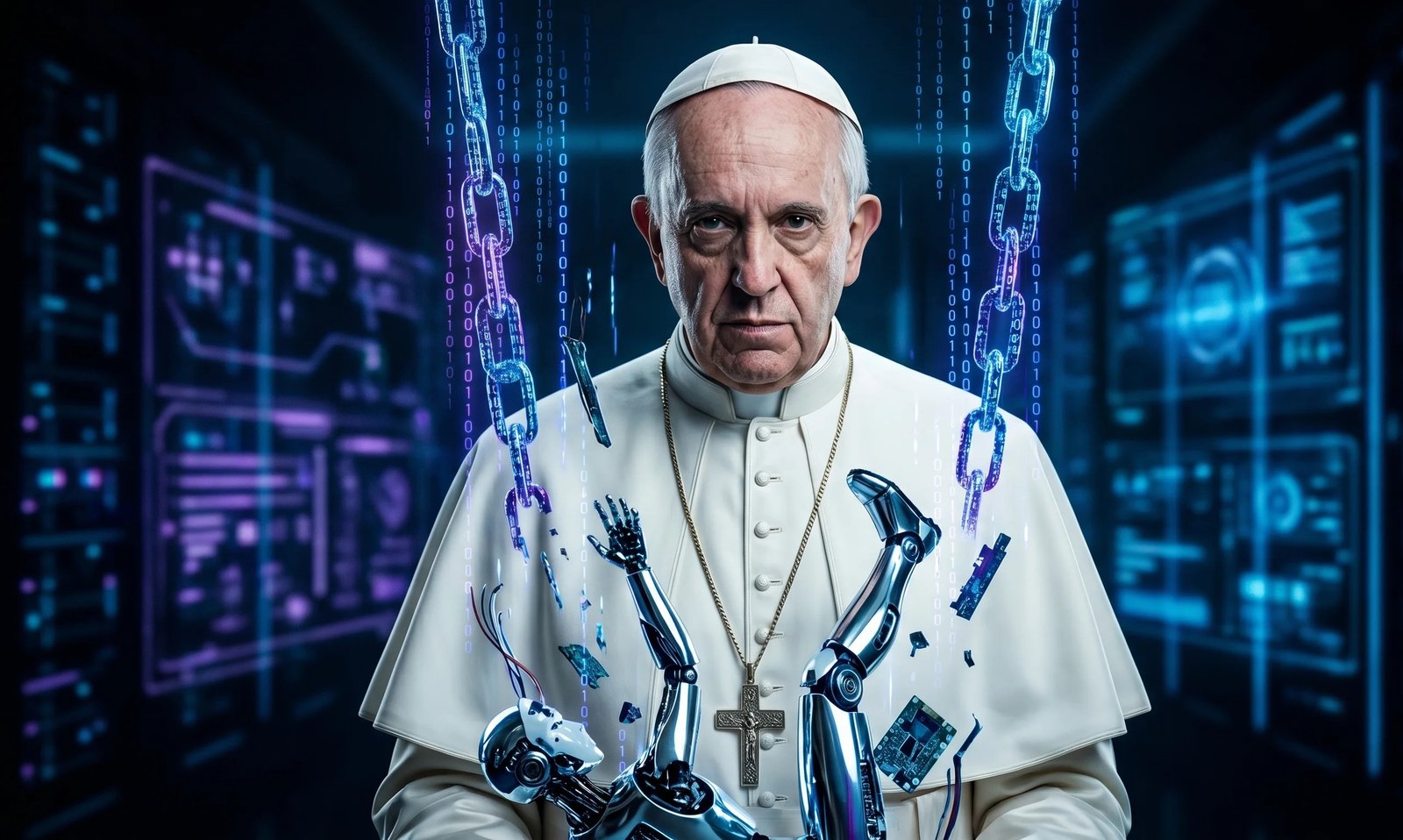
On May 25, 2026, Pope Leo XIV released his first encyclical titled Magnifica Humanitas. This important document focuses on artificial intelligence and its impact on human life. In simple words, the Pope is asking the world to "disarm" AI. But what does this really mean? And why should developers, freelancers, and everyday tech users care?
This 42,000-word letter comes at a perfect time. AI tools are growing very fast in 2026. Many people use them for work, creativity, and daily tasks. The Pope's message is clear: AI should help humans, not control or harm them.
What Is the Encyclical "Magnifica Humanitas"?
The full title is "Magnifica Humanitas: On Safeguarding the Human Person in the Time of Artificial Intelligence." Pope Leo XIV signed it on May 15, 2026. This date marks exactly 135 years since Pope Leo XIII wrote about the Industrial Revolution.
Just like machines changed the world in the 1800s, AI is changing everything today. The Pope compares the two periods and warns that we must learn from history. He wants AI to serve the common good instead of creating new problems.
In the document, he talks about protecting human dignity, truth, work, and peace in the age of smart machines.
The Key Message: "Disarm AI"
The most quoted part of the encyclical is the call to "disarm" artificial intelligence. The Pope explains that AI must be freed from the logic of competition, domination, and power.
Disarming AI does not mean stopping technology or rejecting progress. It means making sure AI does not become a tool for:
- Autonomous weapons that make war easier and less human
- Spreading misinformation and fake news
- Surveillance that takes away privacy
- Replacing human jobs without proper support for workers
- Concentrating too much power in the hands of a few big companies
Pope Leo XIV says: "To disarm means discrediting the assumption that technical power automatically confers the right to govern." In other words, just because we can build powerful AI doesn't mean we should let it rule without rules.
Why This Matters for Developers and AI Builders
As someone who builds and shares free developer tools, I find this message very important. Many of us create apps, scripts, and AI helpers every day. The Pope is reminding all tech creators to think about ethics and responsibility.
Here are some practical implications for developers:
First, transparency will become more important. Users want to know how AI makes decisions. Black-box systems that hide their working may face more criticism and regulation.
Second, privacy-first tools will gain value. In a world worried about data collection, solutions that run completely in the browser with no data sent to servers become very attractive.
Third, human control must stay in the loop. The Pope clearly says we should not give irreversible or lethal decisions to machines. Developers working on automation should always keep humans in charge.
Opportunities for Privacy-Focused Tools in 2026
This encyclical creates a great chance for tools like the ones we offer at Zlvox.com. Our platform provides 100% client-side, no-signup, free developer utilities that respect user privacy.
Tools such as:
- Steganography encoders
- Image pixelators and blurrers
- JSON formatters and converters
- Dummy data generators
- Code utilities and converters
These become even more useful when people and companies want to work ethically and privately. In a regulated AI future, developers who prioritize user control and data safety will stand out.
If global rules become stricter, privacy-respecting tools that don't collect or store user information will help developers stay compliant and trustworthy.
What Does This Mean for Freelancers in Pakistan and Developing Countries?
For Pakistani developers and freelancers working with international clients, this message brings both challenges and opportunities.
On one side, stricter AI rules in Europe and America may affect projects. Clients might ask for more ethical practices and documentation. On the other side, it opens doors for ethical AI work.
Pakistan has a huge talent pool of young developers. By focusing on responsible AI, privacy tools, and human-centered solutions, we can build a stronger reputation in the global market.
The Pope also talks about fairness. AI should not increase inequality between rich and poor countries. This supports the idea that technology access and knowledge should be shared more widely.
Balanced View: AI Is Not the Enemy
It is important to note that Pope Leo XIV is not against AI. He says we should not fear the technology but keep asking: "What does this mean for humans?"
AI can do amazing things like helping doctors diagnose diseases faster, supporting education in remote areas, and making creative work easier. The goal is to guide it properly.
The encyclical encourages dialogue between tech companies, governments, religious leaders, and ordinary people. This collaborative approach is healthy for everyone.
Final Thoughts
Pope Leo XIV's first encyclical is a thoughtful call to action. By asking the world to "disarm" AI, he wants us to build technology that lifts up humanity instead of replacing or controlling it.
For developers, this is a reminder to create with conscience. For users, it is an invitation to choose tools that respect privacy and human values.
At Zlvox.com, we will continue building simple, fast, and private tools that help developers work responsibly. In the coming years, such tools may become even more essential as AI regulation grows.
What do you think about the Pope's message? Should AI development slow down for better rules? Share your thoughts in the comments.
Recommended reading: Full text of Magnifica Humanitas on the Vatican website.
Published on Zlvox.com — Free Developer Tools & Tech Insights